

How Address and Environment Dictate the Yield of Executive Networking
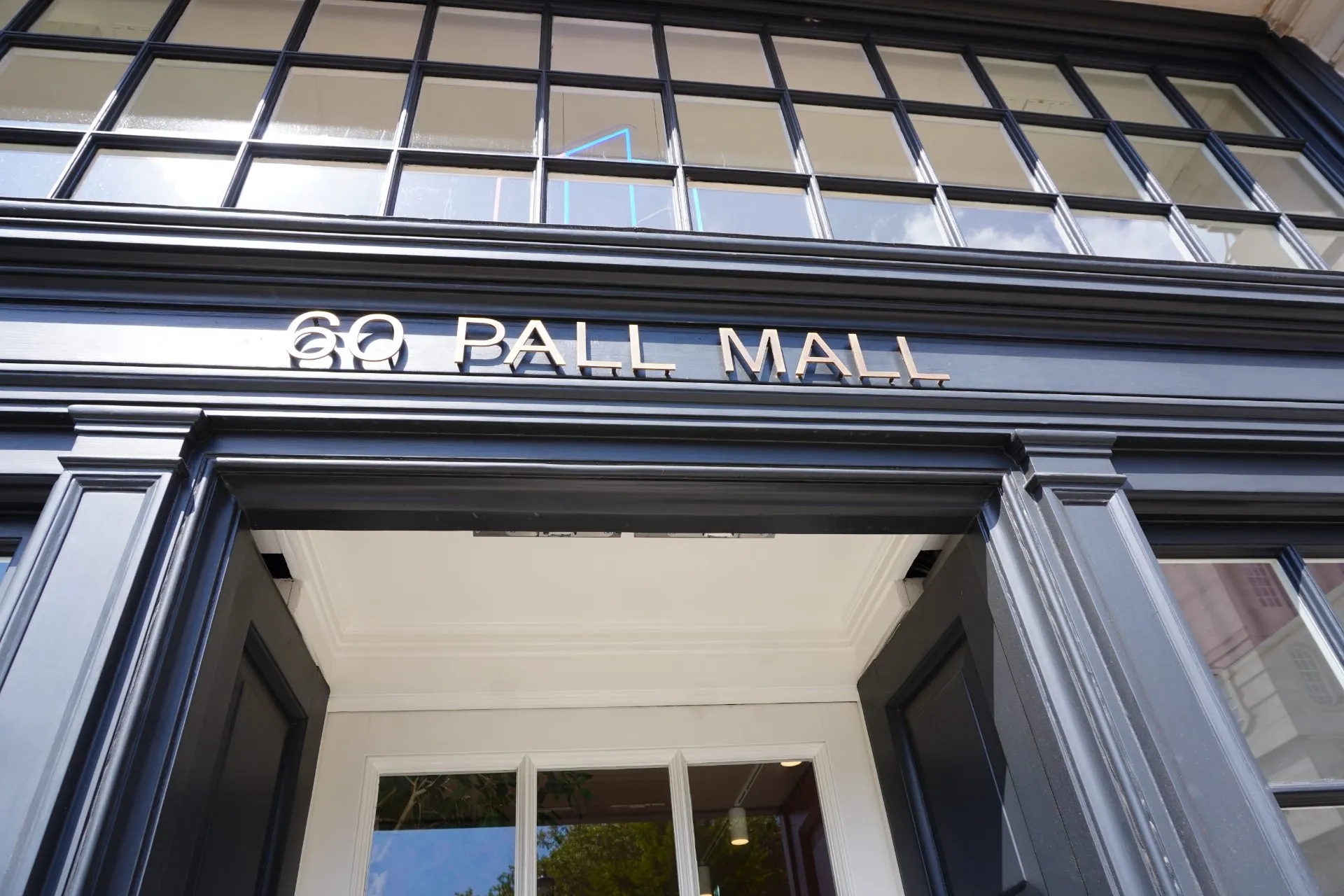
Search queries for prominent addresses in central London, such as 60 on Pall Mall, often point to a fundamental truth of London life: senior decisions and long-term commercial relationships are anchored in physical place. A power network is not an abstract concept or a list of digital contacts. It is an active set of working relationships that requires a distinct environment to grow. High-level strategic discussions, delicate commercial negotiations, and serious board-level exchanges cannot take place effectively in public restaurants or open commercial venues. They demand quiet, private settings where complete discretion is built into the walls, and where the physical surroundings are specifically arranged to support clear, deliberate conversation.
Building and sustaining a quality power network relies on selecting spaces that remove friction and signal respect for your guests' time. Across central London, the choice of location sets the tone for an entire interaction before anyone sits down. The proportion of the room, the privacy of the building, and the quiet competence of the team managing the floor dictate whether an event yields real strategic progress or remains an exercise in pleasantries. Here is how a dedicated private setting in the heart of London supports the construction and maintenance of a senior professional network, ordered from the structural necessity of location to the refined operational details that keep guests focused on the room.
1. Central London geography creates the initial foundation for attendance
Before a conversation can happen, your guests must arrive. In a busy capital, the geographic location of a venue dictates attendance rates, particularly for senior leaders whose calendars are packed back-to-back. An address on Pall Mall sits squarely in a neighbourhood with a centuries-long history of governance, trade, and quiet diplomacy. Positioned within easy reach of the capital's main commercial hubs, financial districts, and government streets, it provides a natural centre point where London convenes. Choosing a location that fits smoothly into an executive's daily trajectory signals respect for their time, dramatically reducing drop-out rates for evening suppers or morning briefings.
2. Total discretion permits genuine candour
Once guests are inside, the primary operational requirement is privacy. Sensitive strategic discussions, confidential product launches, and boardroom private meeting rooms sessions require a setting where voices will not carry and uninvited observers cannot interrupt. Without the guarantee of absolute discretion, conversations remain guarded, superficial, and overly formal. A private setting designed specifically for confidential gatherings allows senior participants to drop their public persona, speak plainly about commercial realities, and explore complex ideas without concern. This privacy forms the bedplate of any working power network.
3. Room proportions directly shape the depth of discussion
The physical scale of an event room alters how people interact. An oversized commercial hall swallows smaller groups, scattering energy and making natural conversation impossible. Conversely, a tight, cramped room creates physical tension that shortens meetings and causes early departures. Matching the physical footprint to the specific event structure is essential. Intimate boardroom setups require precise spacing to ensure every participant can maintain eye contact and contribute equally. Larger formats, such as conferences or catered events, require distinct zones for focused presentations and quiet side-conversations. When spatial dynamics are calibrated correctly, guests remain comfortable, meetings run naturally, and discussions go deeper into substance.
4. Dedicated events management frees the host to focus on relationships
A host cannot cultivate executive relationships while simultaneously managing microphone feeds, checking room temperatures, or tracking catering timelines. When operational details pull a host away from the floor, the strategic purpose of the gathering is compromised. Professional, in-house events management acts as a quiet, protective layer around the host. Handling the operational execution behind the scenes ensures that transitions between presentations, dinners, or private breakout sessions happen seamlessly. This invisible support leaves the host entirely free to welcome guests, facilitate introductions, and drive the core agenda of the day.
5. Environment variety supports the full lifecycle of commercial relationships
Professional relationships rarely remain static; they evolve through distinct phases that each require a different physical environment. A strategic connection might begin in a broader setting like a industry conference or a boutique product launch. As common ground is identified, the dialogue moves into private boardroom meeting rooms for detailed commercial structuring. Later, as agreements are reached and long-term alignment is established, the relationship is maintained through smaller executive suppers, podcast interviews, or catered events. A single, adaptable private venue capable of accommodating all these formats allows a network to develop within a consistent, familiar context over months and years.
6. Experienced operational teams anticipate invisible requirements
Flawless event hosting requires far more than modern physical facilities and clean interiors. It relies on a team with deep, practical experience working across London's most respected venues. Understanding the precise timing of executive hospitality is a subtle discipline built over decades. It means knowing exactly when to step forward with quiet service during a meal, and when to step back entirely so a sensitive debate can proceed uninterrupted. A service style that strikes the right balance between warmth, elegance, and complete restraint creates a welcoming atmosphere where guests feel valued without ever feeling managed.
7. Consistent environment builds long-term institutional trust
Networking is not a single event; it is an ongoing practice of recurring touchpoints. When senior leaders return to a venue they know intimately, environmental uncertainty disappears. They already know how the space feels, where to park or alight, how the rooms are laid out, and the level of privacy they can expect. This sense of familiarity lowers social friction and speeds up the transition from arrival to meaningful dialogue. Hosting recurring executive suppers, curated experiences, and private meetings in the same trusted environment establishes a permanent home for your network, transforming scattered meetings into a coherent, enduring institution.
The physical setting you choose for your gatherings directly influences the quality of your outcomes and the strength of your professional relationships. For those tasked with building and maintaining a quality power network, selecting a private, carefully arranged venue is a deliberate strategy.
We bring more than 25 years of collective experience working across London’s most respected venues to support every event we host at 60 Pall Mall, from boardroom private meeting rooms and conferences to bespoke boutique product launches, podcast interviews, and catered executive suppers. To plan your next gathering or explore our spaces, visit 60pallmall.com.